
Gavin Swartzman in Madrid: 5 questions on the future of the luxury real estate sector
· 8 min. read · by Jazmin Villarino
On Monday, 29 June, Christie's International Real Estate Madrid welcomed a special visitor. Gavin Swartzman, President of Christie's International Real Estate, visited our Madrid office and dedicated part of his time to sharing his vision of the sector with students from the IE Business School's Master in Real Estate.
The session centred around five questions posed by Jazmin Villarino, from the marketing team, on the present and future of the global luxury real estate market. At the end of the round, students had the opportunity to put their own questions directly to the President. What follows captures the main themes addressed throughout the morning.
1. How is the luxury real estate sector evolving globally, and which trends do you believe will have the greatest impact over the next decade?
The luxury real estate market does not move according to the same indicators as the general market. Interest rates, one of the main drivers of the conventional residential market, carry far less weight at the high end. What drives this buyer is confidence: in the economic environment, in the market, and in their own financial position. When that confidence is present, the high-profile buyer acts decisively.
Two trends stand out in particular.
The first is artificial intelligence, which is transforming how processes are managed, how information is analysed, and how the sector engages with its clients.
The second is the rise of branded residences: residential projects linked to prestigious brands from outside the hotel world. The example of a Christie's affiliate in Thailand representing a Porsche residential development illustrates well where this market is heading. Buyers who are not simply looking for a property, but for a life experience backed by a globally recognised brand identity.
At Christie's International Real Estate Madrid we know this model first-hand. We market a singular branded residence in the Spanish market: the Four Seasons Private Residences at Canalejas, located in the heart of Madrid's historic centre. A project that combines the privacy of a private home with the services and standards of one of the world's most recognised hotel brands, and that represents exactly the kind of asset the international high-net-worth buyer is looking for today.
2. Luxury clients today have more information, more choices, and higher expectations than ever before. How have their priorities changed, and what do the best advisors do differently to serve them?
The high-end buyer has changed. They arrive in the process better informed than ever, compare more and expect more. But what they are looking for in an advisor is not more information: they already have that. What they are looking for is judgement, trust, and someone who can help them make complex decisions with clarity.
For the very high-net-worth buyer, a home is not just a place to live: it is an asset class within a broader investment portfolio. How it fits into their wealth strategy, how it complements their lifestyle, and what it says about them as a family or as individuals are factors that weigh as much as, or more than, square metres or location.
The advisor who understands this and is genuinely able to accompany that conversation is the one who builds lasting relationships. It is not about closing a transaction: it is about earning a place in the most important decisions of that person's life. And that cannot be improvised. It is built through experience, through listening, and through the consistent ability to put the client's interests before one's own.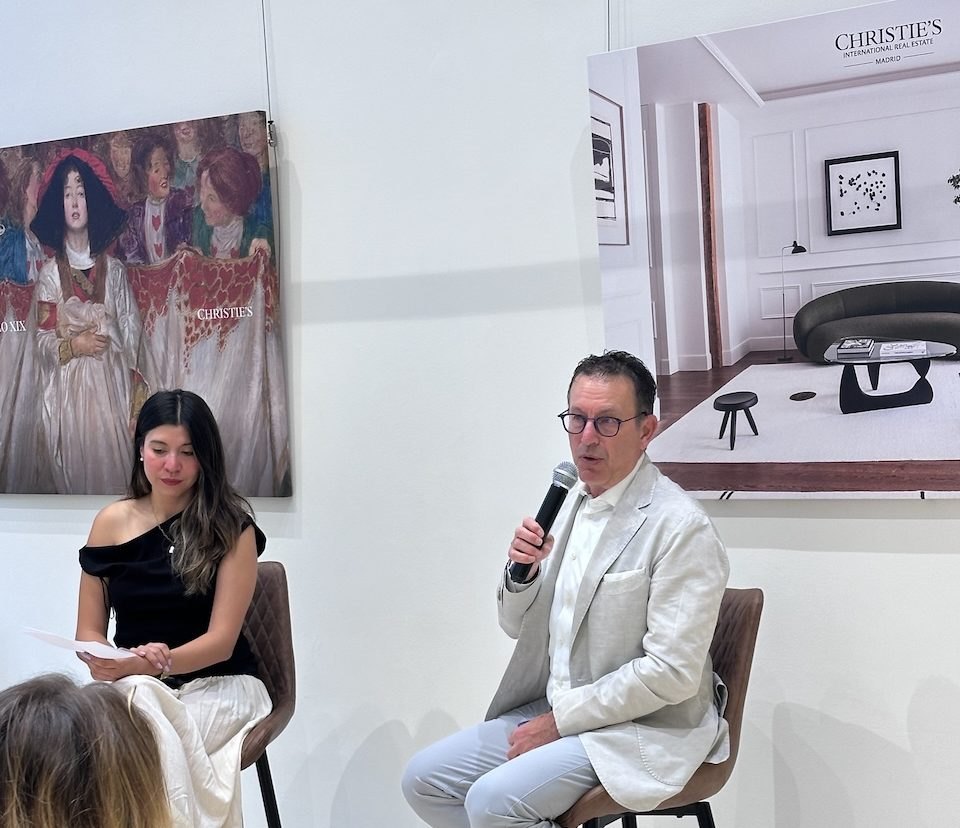
3. Technology and AI are transforming almost every sector. How do you see these innovations changing the real estate experience for buyers, agents, and firms?
Artificial intelligence is, for the first time in a long while, a trend that the real estate sector is facing at the same time as every other industry. It has not arrived late, as has been the case with other technological transformations.
The key question is not whether AI will change the sector, but who will be in charge of that transformation: the tool or the professional using it. Schwarzman's response was clear: "The tools are there to help, but the value still lies with the people." In a moment of information and data saturation, the ability to interpret, contextualise, and turn data into relevant advice for a specific client remains a deeply human skill.
The client on the other side of the table is also processing an enormous amount of information. The professional who is able to simplify, to calm, and to offer clarity has a significant advantage.
4. For students aspiring to build an international career in real estate, entrepreneurship, or luxury services, what skills, mindsets, and experiences will be most valuable in the years ahead?
The answer was not what the students might have expected. There was no list of essential technical skills or digital tools. The message went deeper: what sets apart professionals who build lasting careers in the luxury sector is not what they know, but how they relate to others.
Networking was one of the first topics addressed, but not in the superficial sense of the word. Not merely accumulating contacts, but being present in the right environments, building relationships with purpose, and staying active in the spaces where the conversations that matter actually happen. Surrounding yourself with the right people, at the right moment, makes a difference that over time becomes difficult to quantify but impossible to ignore.
Another central point was the attitude toward the client. Every client is different, has different motivations, and makes decisions from different places. Listening before speaking is not just good practice: it is the foundation on which any relationship of trust in this sector is built.
And once that relationship has begun, follow-through is everything. A client who feels accompanied, whose call is returned, who receives a message after a visit, or who is remembered at an important moment is a client who perceives that the interest in them is genuine.
Empathy was the first word Schwarzman mentioned when asked about the leadership lesson he applies most in his day-to-day work. And authenticity was the second: not as a fashionable concept, but as a daily practice. If you have to remind yourself to be authentic, you probably are not.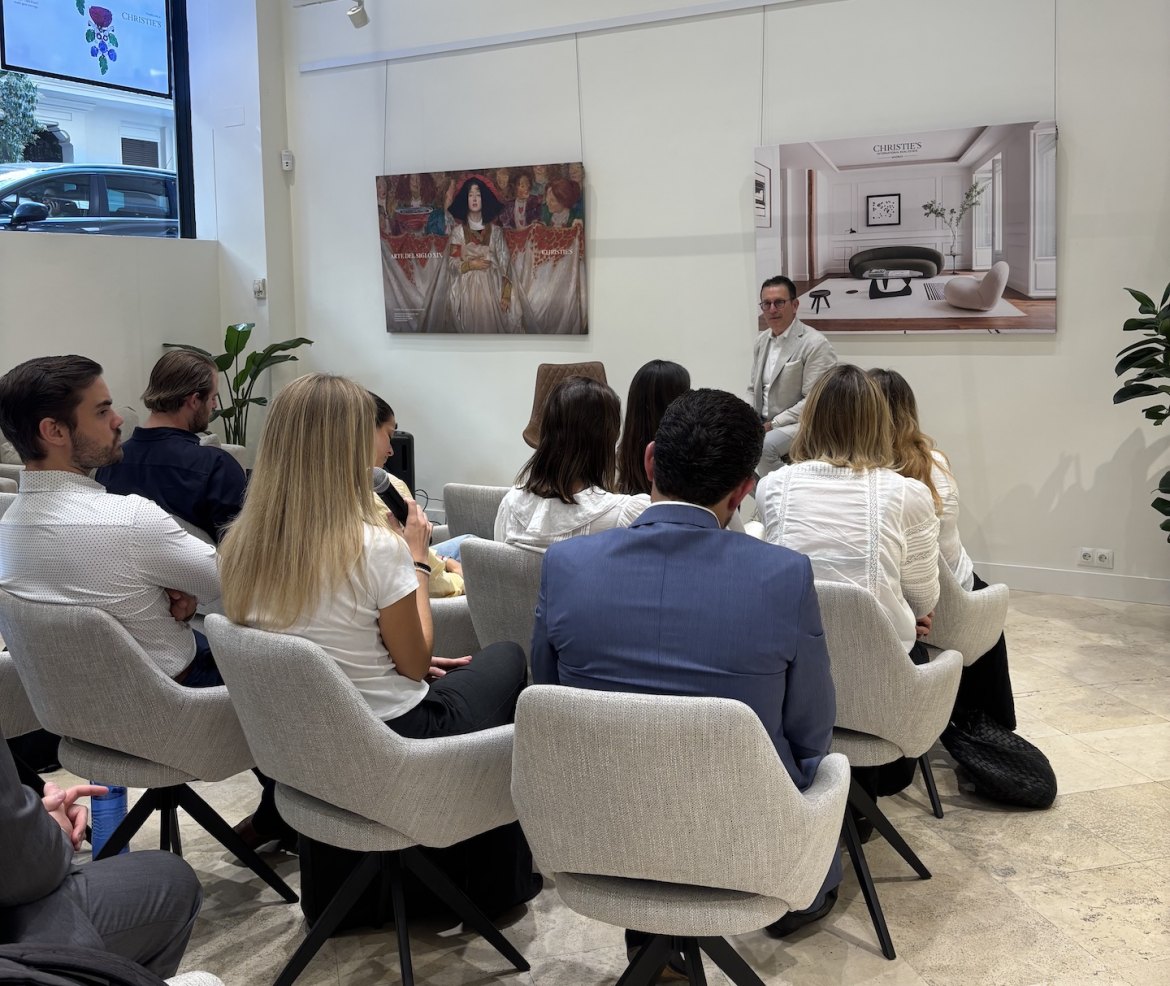
5. If you were sitting where these students are today, knowing everything you know now but without knowing where your career would eventually take you, what would you do differently?
This was perhaps the most personal question of the morning, and the answer was equally honest. Schwarzman was born in South Africa and grew up in a family environment where, as in so many families, the natural advice pointed toward careers that offered security and stability: business, medicine, law. Known paths, with predictable destinations.
His trajectory took a different direction. He passed through the worlds of finance and marketing before finding in real estate the space where everything clicked into place. A career change that, from the outside, might look like a detour, but that from the inside was the natural consequence of adjusting course until he found what he was truly passionate about.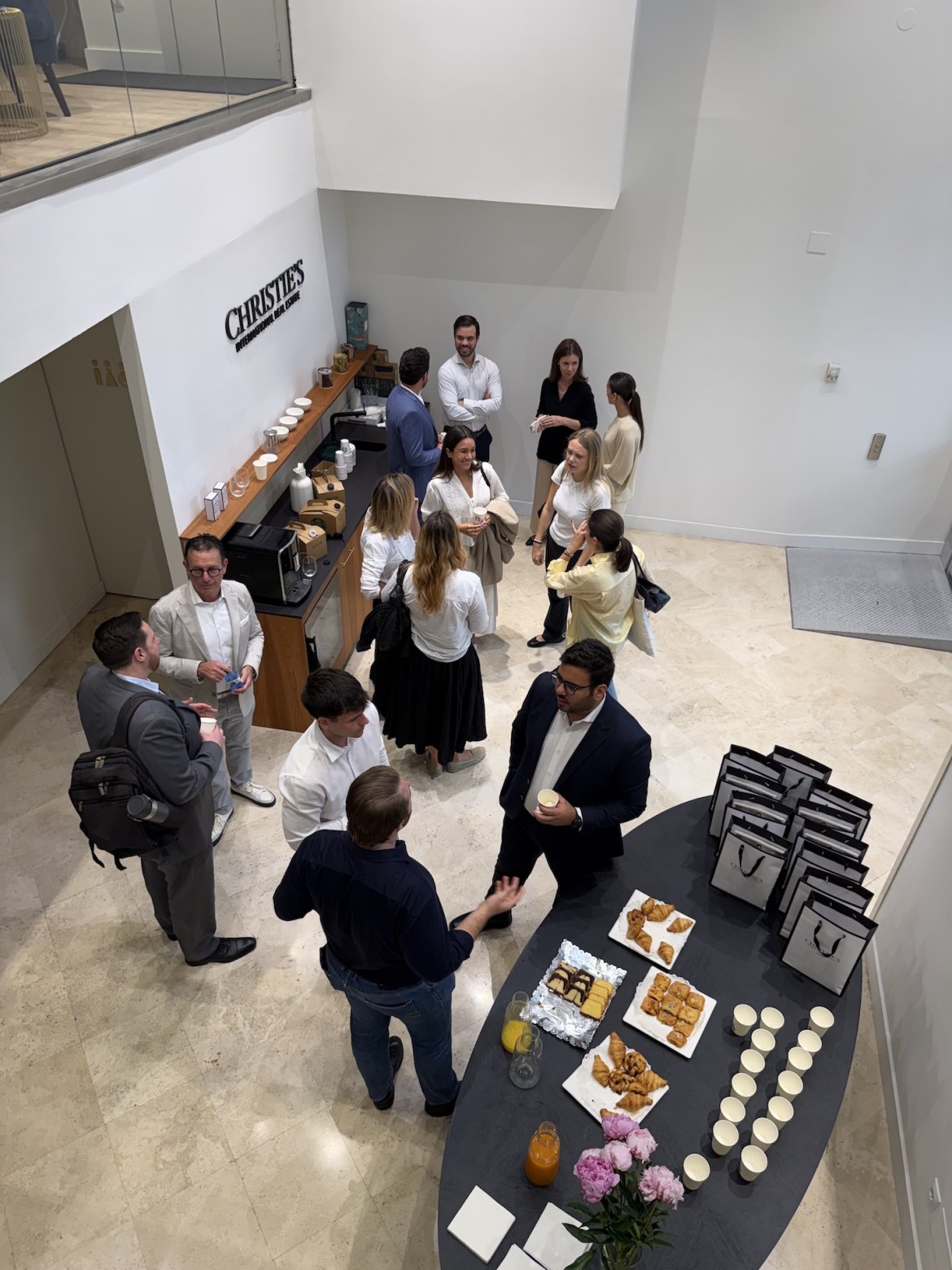
The message to the students was clear: a professional career is rarely linear, and that is not a problem. It is part of the process. What matters is not having the path mapped out from the beginning, but maintaining curiosity, the willingness to learn, and the honesty to recognise when something does not fit and when it does.
What he would do differently, if anything, is trust the process more and the outcome less. The temptation to always look for the right answer before acting can be paralysing. What truly builds a career is the willingness to be present, to keep learning, and to maintain integrity in every decision, especially the difficult ones.
And above all, surround yourself with the best. Schwarzman recalled his first Christie's International Real Estate conference in New York, where he had a moment of clarity upon seeing the level of professionalism of the people representing the brand. That experience stayed with him and shaped the direction of his career in no small measure. The lesson: the environments you move in matter as much as the decisions you consciously make.
Conclusión
Gavin Swartzman's visit to our Madrid office reflects Christie's International Real Estate's commitment to developing the talent that will lead the sector in the years ahead. For Christie's International Real Estate Madrid, being able to connect the next generation of real estate professionals with the vision of the person leading a global network of affiliates was a singular opportunity and a morning to remember.


